Understanding the Role of Game Mechanics in Club Events
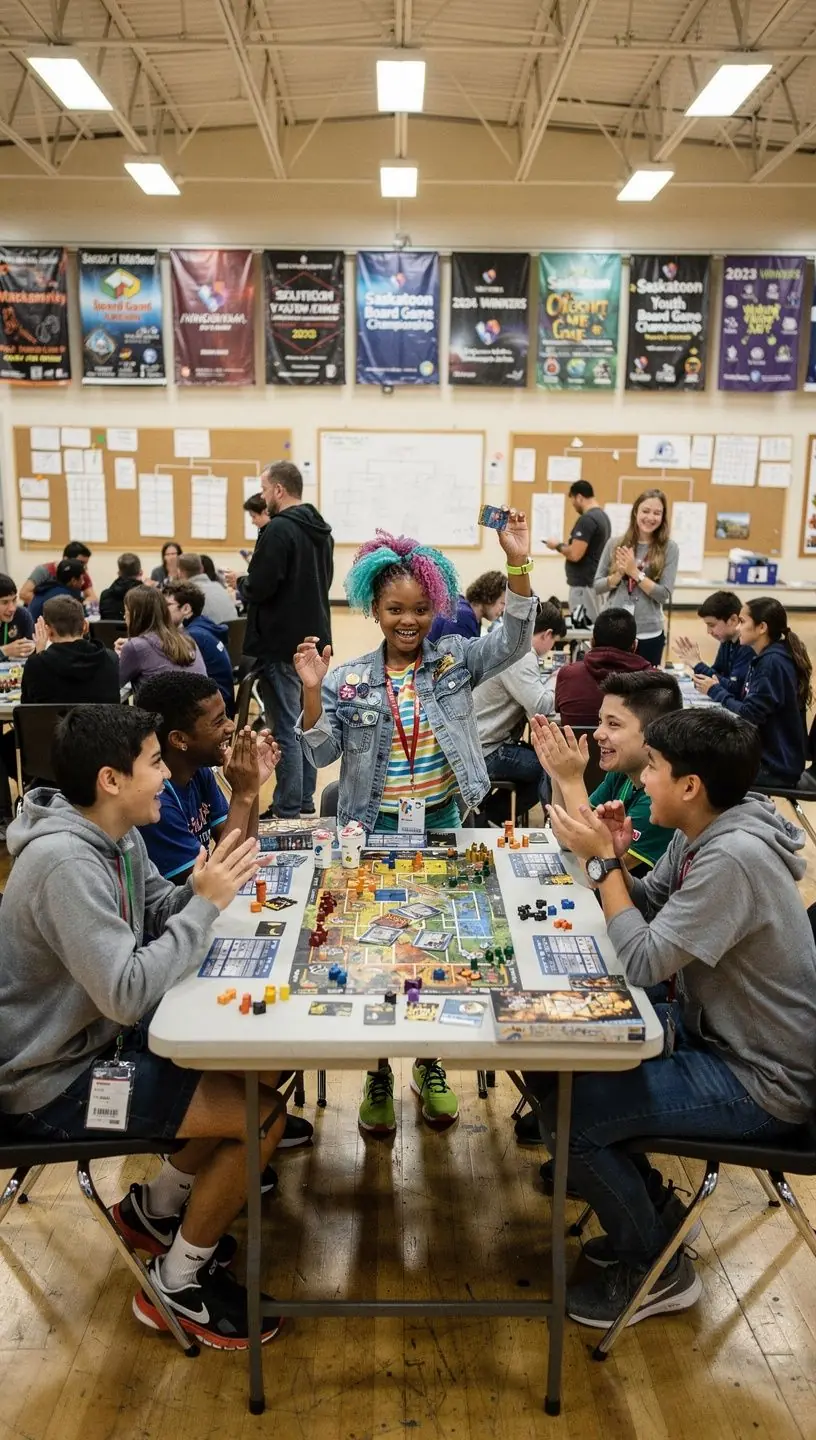
In board game clubs, the success of events often hinges on the effective use of game mechanics. This article delves into the role of game mechanics in enhancing club events, emphasizing their impact on player engagement and social interaction.
What are Game Mechanics?
Game mechanics refer to the rules and systems that govern how a game operates and how players interact within it. According to research from the field of game design, well-implemented mechanics can significantly enhance player experience and facilitate social interaction. Many experts recommend a balanced approach to creating scenarios that encourage competition, cooperation, and enjoyment.
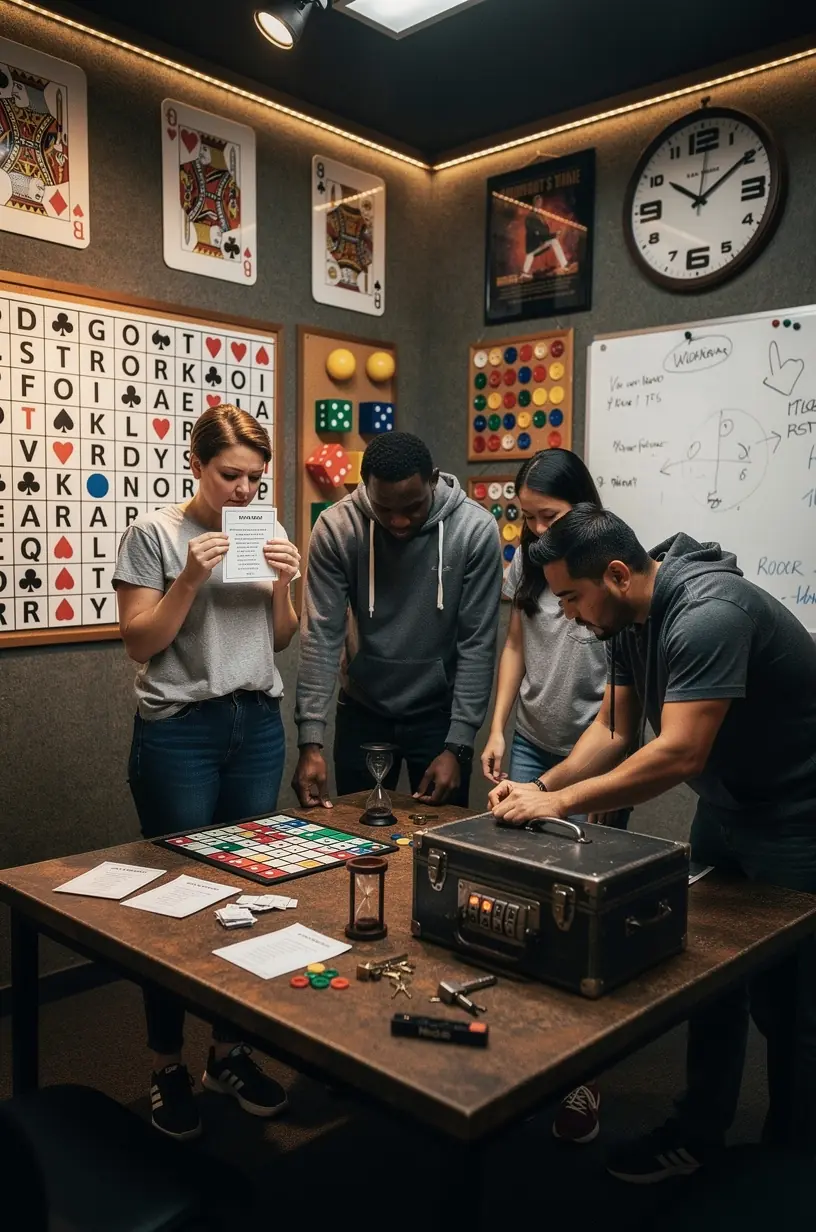
"The principle behind effective game mechanics is that they create an engaging environment that motivates players to participate and collaborate." - Game Design Expert
Why Game Mechanics Matter for Club Events
In the context of board game clubs, game mechanics play a crucial role in shaping the dynamics of events. Here are a few reasons why:
- Encouragement of Social Interaction: Game mechanics that promote teamwork or competition can facilitate social connections among members. Studies show that social engagement often leads to increased satisfaction and retention in club environments.
- Variety in Gameplay: Introducing diverse game mechanics keeps events fresh and exciting. Clubs that frequently rotate game types or mechanics often report higher attendance rates, as players are eager to experience new challenges.
- Structured Learning: Many game mechanics require players to strategize and think critically, which can enhance cognitive skills. Clubs that focus on mechanics that encourage problem-solving and tactical thinking often see an improvement in member participation.
Integrating Game Mechanics into Club Events
Implementing effective game mechanics requires thoughtful planning. Here’s a step-by-step guide to help board game clubs enhance their events:
- Identify Target Audience: Understand the preferences and skill levels of your members. This can involve surveys or informal discussions to gauge interest in various game types.
- Choose Appropriate Mechanics: Select game mechanics that align with your club's goals. For instance, if fostering cooperation is a priority, mechanics that require teamwork can be effective.
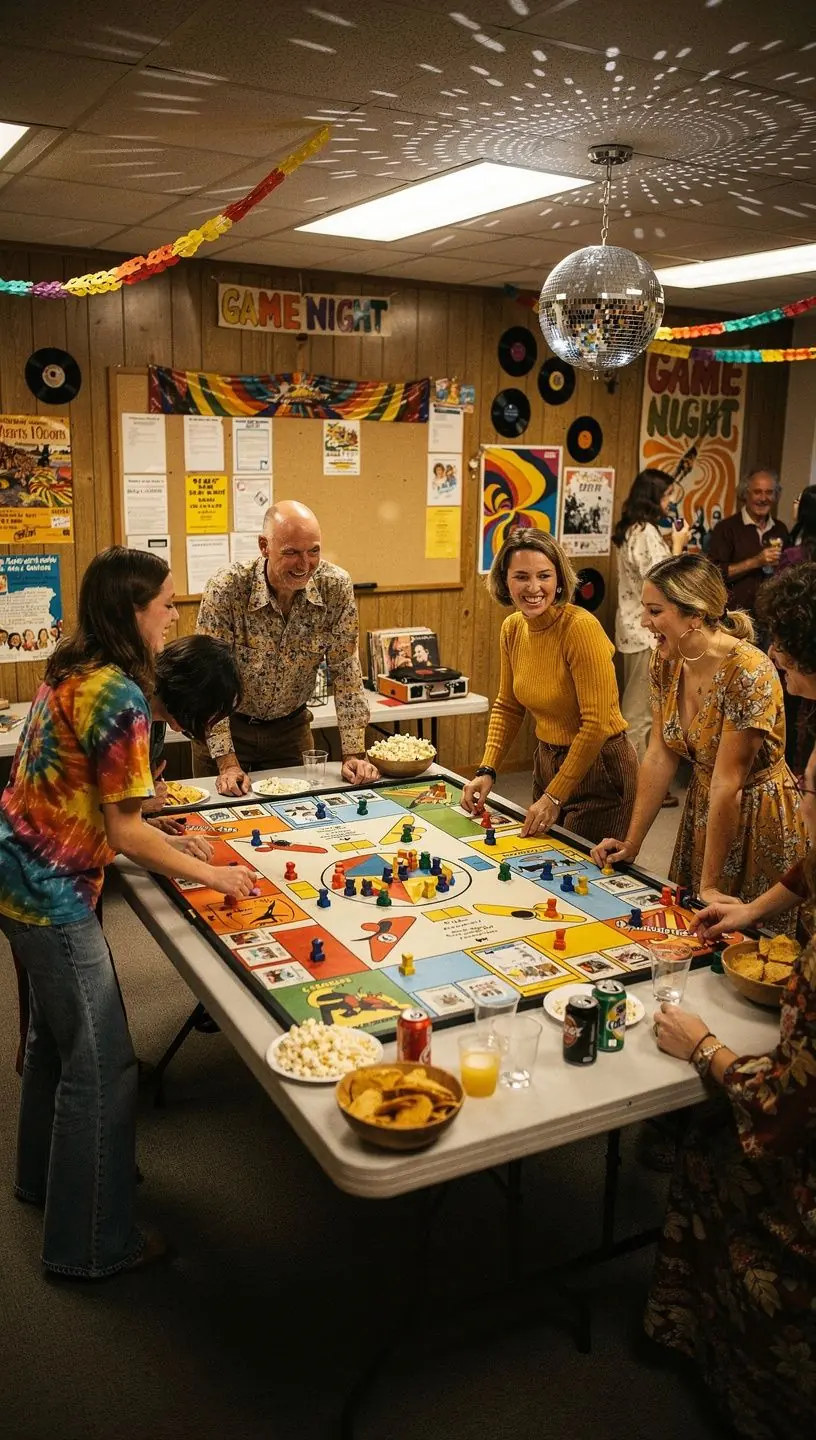
- Design Engaging Scenarios: Create event scenarios that allow for the selected mechanics to shine. This could mean organizing tournaments or themed nights that highlight specific games or genres.
- Gather Feedback: After events, solicit feedback from participants. Understanding what worked and what didn’t can guide improvements for future events, ensuring they remain enjoyable and relevant.
Conclusion
Understanding and incorporating game mechanics into club events can significantly enhance member engagement and satisfaction. While implementing new mechanics may require initial effort and planning, the potential benefits, such as increased participation and improved social interaction, can make it worthwhile. For board game clubs in Saskatchewan, typically, clubs that prioritize these elements report a more vibrant community atmosphere, fostering both fun and connection.