Creating an Inclusive Environment in Board Game Clubs
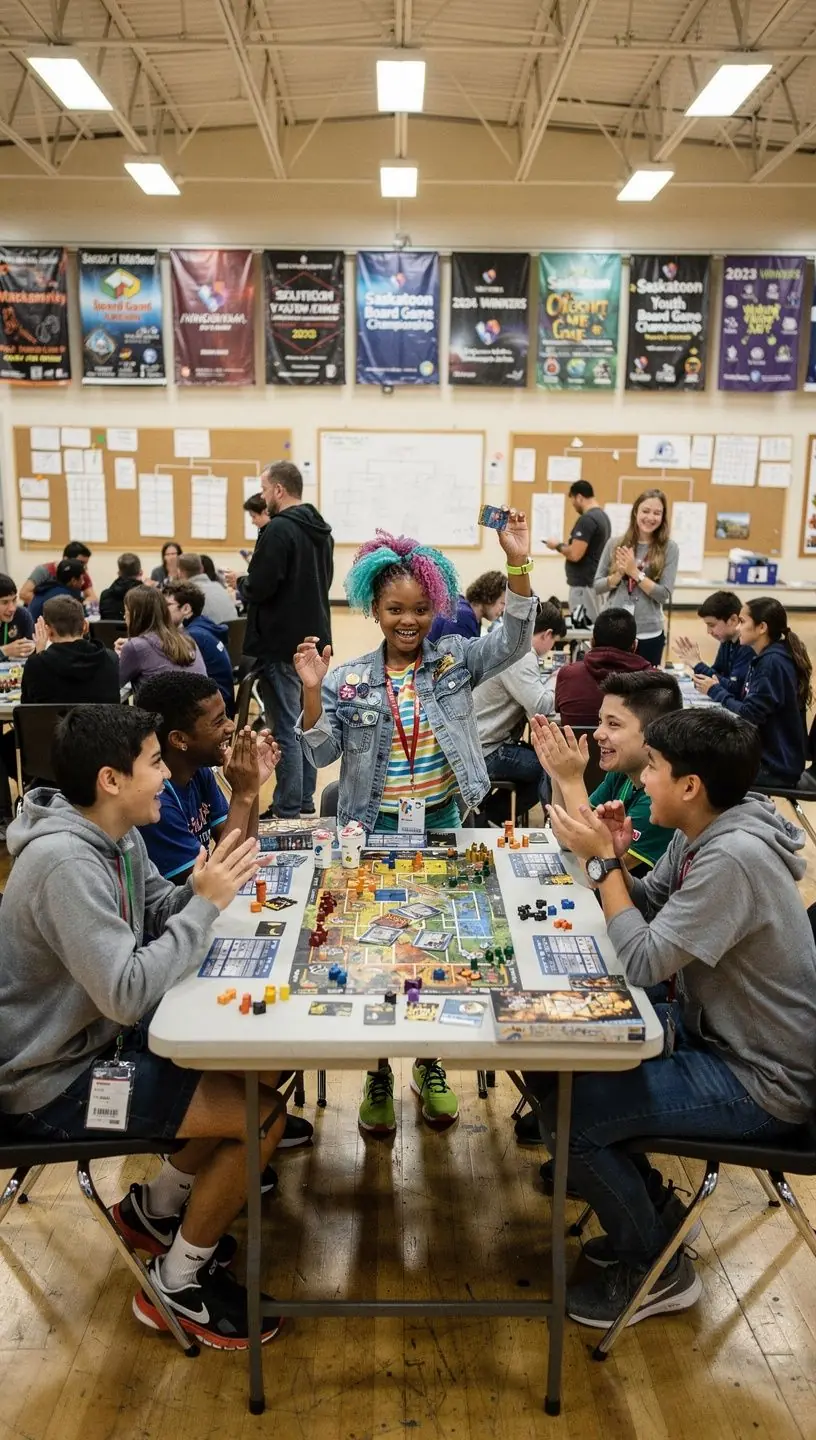
In recent years, board game clubs have become popular spaces for social interaction, creativity, and strategic thinking. However, fostering an inclusive environment is crucial for attracting diverse members and ensuring that everyone feels welcome. This article explores practical steps that board game clubs can take to create a more inclusive atmosphere.
Understanding the Importance of Inclusivity
Inclusivity in board game clubs is not just a matter of principle; it can significantly enhance the overall experience for all members. According to research from Harvard Business Review, diverse teams are often more innovative and make better decisions. In the context of a board game club, a variety of perspectives can lead to richer discussions and more enjoyable gameplay.

"Creating a welcoming environment encourages participation and fosters a sense of belonging among all members." – Experts in community building
Strategies for Fostering Inclusivity
Implementing inclusivity strategies typically requires commitment and ongoing effort. Here are several methods that clubs can adopt:
- Establish Clear Guidelines: Create a set of respectful behavior guidelines that all members agree to follow. This can help set expectations and reduce conflicts.
- Diverse Game Selection: Choose games that cater to a variety of interests and backgrounds. Research shows that incorporating a range of game types can attract a broader audience.
- Training for Facilitators: Provide training for game facilitators on inclusivity practices. This often includes learning to recognize and mitigate biases, which can enhance the experience for all players.
- Regular Feedback: Establish a system for collecting feedback from members. Many users report that feeling heard increases their commitment to the club.
Creating Themed Social Game Nights
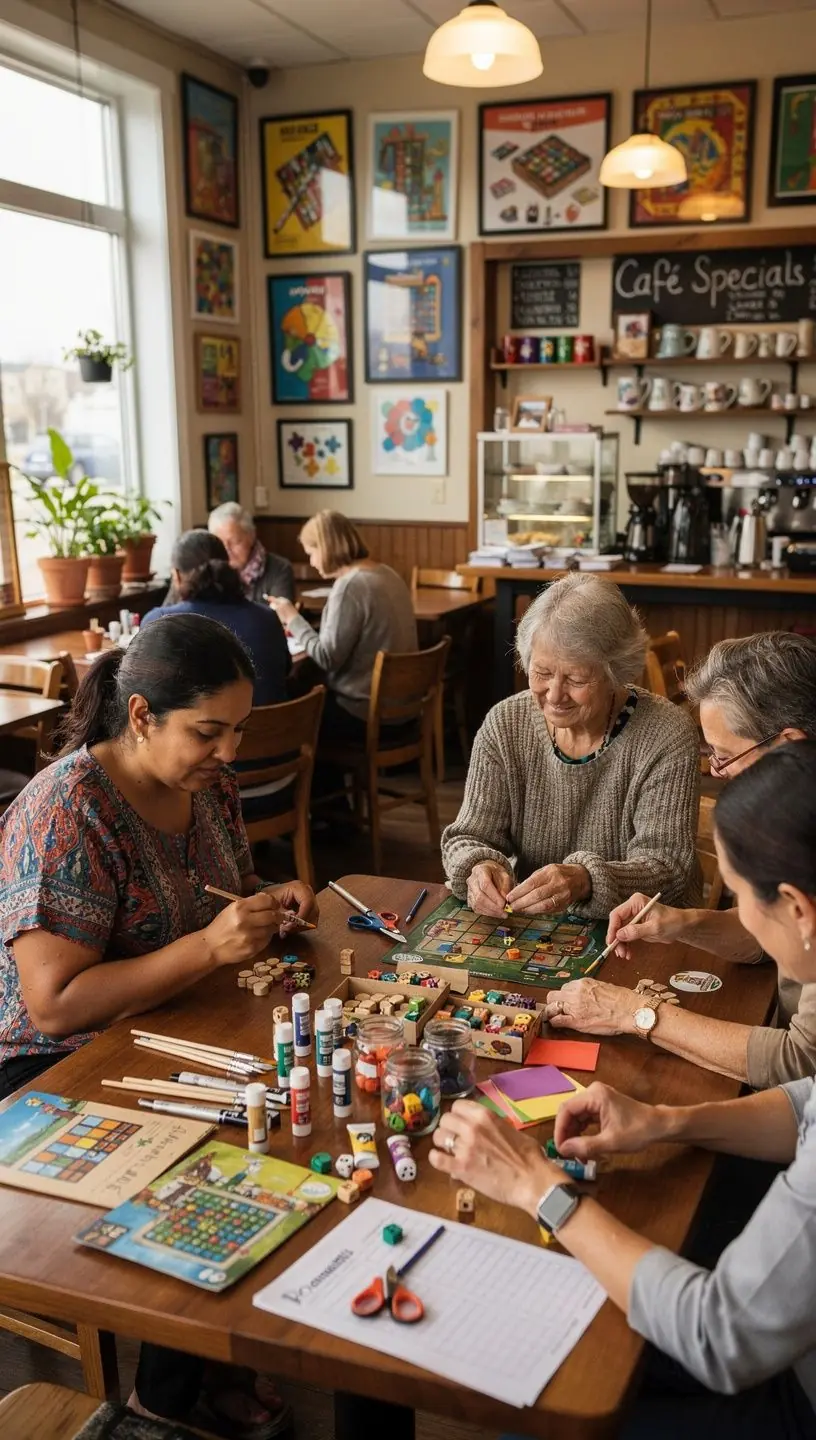
Themed social game nights can be an effective way to draw in diverse groups. These events typically encourage community participation and can focus on various aspects of culture, history, or even specific game genres. This method works well because:
- They create a fun atmosphere that encourages mingling and interaction.
- They provide opportunities for members to share their unique perspectives and experiences, enriching the gaming experience.
- They can attract different demographics, making it easier to build a diverse community.
Acknowledging Limitations
While striving for inclusivity, it's essential to acknowledge the limitations inherent in such efforts. Creating an inclusive environment typically takes time and requires a dedicated approach. Clubs may face challenges, such as:
- Resistance to change from existing members, which can slow down the implementation of new practices.
- Time commitments required for training and establishing guidelines.
- Potential misunderstandings that could arise during the adaptation process.
Conclusion
Creating an inclusive environment in board game clubs is not only beneficial for attracting new members but also essential for fostering a vibrant and engaging community. By implementing clear guidelines, diversifying game selections, training facilitators, and hosting themed social events, clubs can take significant steps towards inclusivity. Remember, while challenges may arise, the long-term benefits of a supportive environment can significantly enhance the experience for all involved.